Data Center Construction Planning for Critical Power
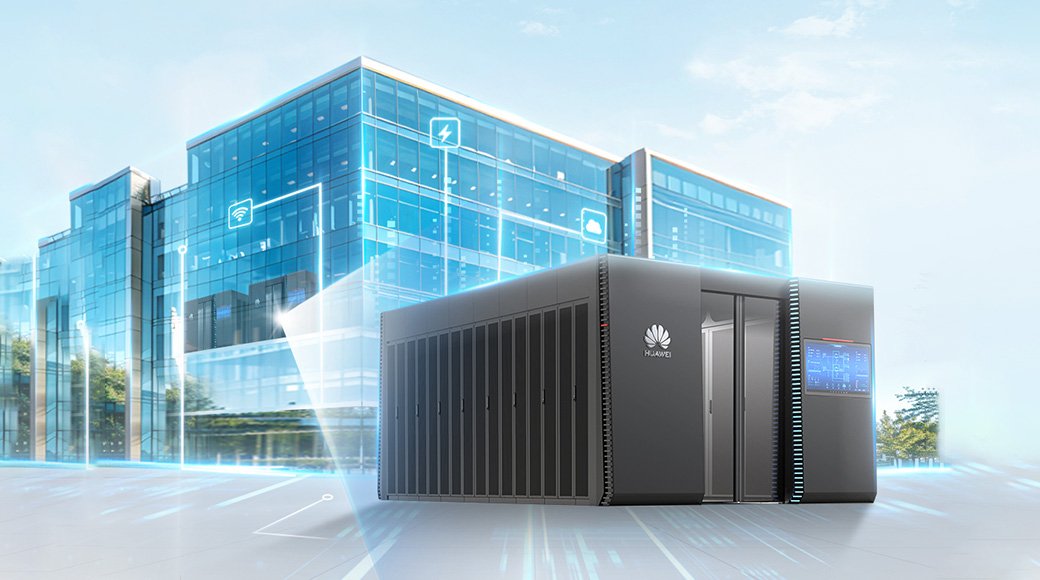
Civil works and equipment selection are closely coupled: a late change in rack density can alter both electrical capacity and cooling distribution. For data center construction, system interfaces shape the real outcome. Huawei Digital Power offers smart power supply, smart cooling, smart management, smart modular data centers, and prefabricated modular data center solutions. Each category addresses a different part of the facility, allowing construction teams to consider integrated delivery while preserving project-specific engineering requirements.
Translate IT demand into facility capacity
Electrical and mechanical requirements should be derived from expected rack loads, growth scenarios, and business continuity objectives. Huawei lists smart power supply and cooling among its core facility solutions, but their configuration follows the project load study.
Cooling calculations must reflect rack density and anticipated deployment patterns. A room built for distributed heat may need substantial changes when a later phase brings concentrated accelerator racks.
Select a suitable modular approach
Smart modular data centers integrate power distribution, cooling, racks, contained aisles, and monitoring within a coordinated module. Prefabricated modular facilities take more of the integration and assembly work off-site for projects without suitable existing buildings.
Modular delivery can simplify repeated layouts and reduce the number of interfaces handled at the construction site. However, foundations, utility connections, fire protection, and applicable permits remain local engineering responsibilities.
An integrated module makes maintenance clearances and cable entry positions especially important. These should be reviewed with the eventual operating team before equipment drawings are frozen.
Coordinate power, cooling, and supervision
UPS equipment, batteries, distribution, cooling, and data center infrastructure management must operate as an interconnected facility. Monitoring can provide alarms and trends, while protection functions stay in the equipment designed to perform them.
Power conversion losses become heat that the thermal design must remove. Estimating system efficiency at realistic partial loads creates a more useful energy model than multiplying headline efficiencies alone.
For staged expansion, engineers should freeze the interface assumptions for each phase, including feeder routes, cooling connections, sensor locations, and maintenance access. Otherwise a later hall can change the risk profile of a live one.
Commission and hand over the whole facility
Acceptance testing should demonstrate normal operation, transition to backup arrangements, recovery procedures, and controlled responses to component faults. The exact test sequence depends on the redundancy design and regulations.
Future expansion should be included in handover records, identifying reserved electrical ways, cooling capacity, and physical routes so later contractors do not have to rediscover the original design intent.
Effective data center construction is measured by whether a facility can operate, recover, and grow as specified. Integrated product offerings provide useful building blocks, but technical review, interface management, and verified commissioning remain central to the outcome. For data center construction, Any claimed benefit should be assessed under realistic loads, environmental conditions, and the local operating policy.

Tanmay Arora, is an Architect with an experience of 13+ years. He is a Management Grad with a post Graduate Diploma in Building Construction and Materials. Tanmay has worked with renowned firms. He has graduated in Bachelor of Architecture. His deep interest in Architecture and Civil Engineering and his experience has made him one of the best architects a client can think of.